
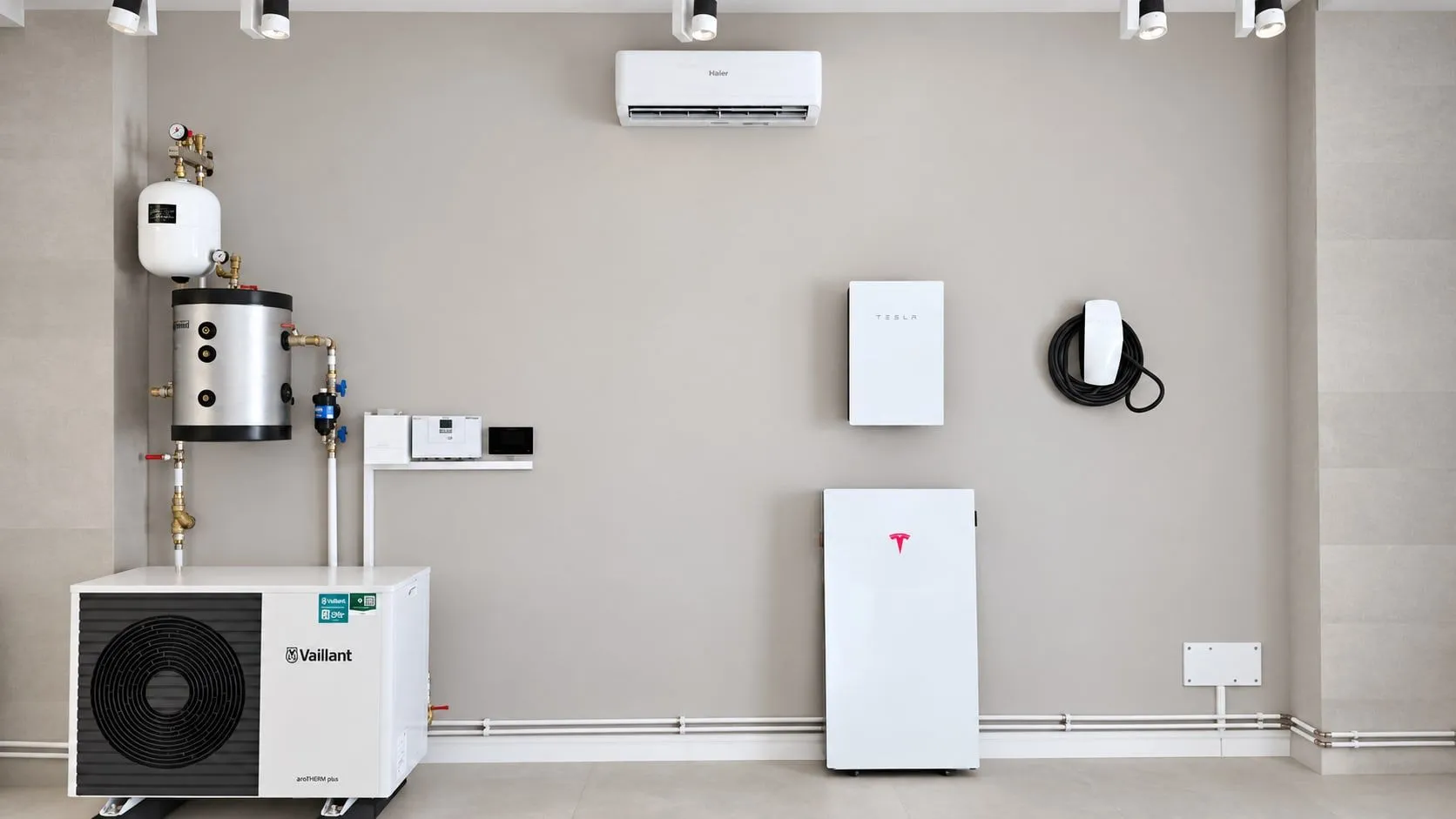
Tesla Wall Connector or Wallbox: which suits you
We mainly work with two brands, and both charge any electric car because they use a Type 2 connector — not just Teslas:
- Tesla Wall Connector: very easy to use, with the cable built in and control from the Tesla app. As certified Tesla installers we fit and commission it.
- Wallbox: a Spanish manufacturer, compact, with its own app, power control and card-reader versions for apartment blocks and businesses.
- If you already have a Fronius inverter, the Wattpilot integrates with it to charge from solar surplus.
How long charging takes and what power you need
A standard socket adds about 10 km of range per hour, so a mid-size battery takes more than a day. A 7.4 kW single-phase wall charger, the usual choice for a home, adds about 35–40 km per hour: any car is full overnight.
With a three-phase supply, an 11 kW charger almost doubles that. We check your consumer unit and contracted power before deciding, because often you do not need more power — just a system that modulates the charge.
Charging from the sun: the cheapest kilometre
With solar panels the charger can run on surplus only: once the house has what it needs, the car charges with whatever is left. In Mallorca that means free charging for much of the year, especially if the car stays at home during the week.
Charging 100 km takes about 15–18 kWh. From the grid, roughly €3; from your own solar, next to nothing. Along with a heat pump, it is the load that pays back a solar system best.
Charging in a shared garage
Installing a point in your own space does not need the owners’ meeting to approve it: you only have to notify the community, and we prepare that letter with the technical documentation. The line runs from your own meter, so you — and only you — pay for the electricity you use.
When the community prefers to sort it out in one go, we do the full garage pre-installation to ITC-BT-52: main trunking, provision for every space and a power-management system. Each neighbour who buys an electric car then only has to connect their point.
Businesses, hotels and fleets
We install charging points with load management, user control and billing for fleets, staff and customers, combined with solar and batteries to lower the cost of every kWh.
For a hotel or restaurant, the charger also appears in mobility apps and brings in customers who stay while they charge.
- Dynamic power sharing across several points
- App and RFID card control
- Integration with solar and batteries
What the price depends on
The charger is only part of it: what makes the difference is the distance from the consumer unit to the parking space, the trunking needed, the protections and whether power management is required. That is why we give a fixed price after seeing the site — never a headline price that grows later.
With the FACTOR grant, which covers 70 % up to €2,500, the final cost for a homeowner is usually very modest.
Safe, fully certified installation
Every point has a dedicated line from the consumer unit, EV-specific protections and its electrical certificate. It is what the regulations require, what your insurer will ask for if there is ever a problem, and what lets the installation cope with years of daily charging.